
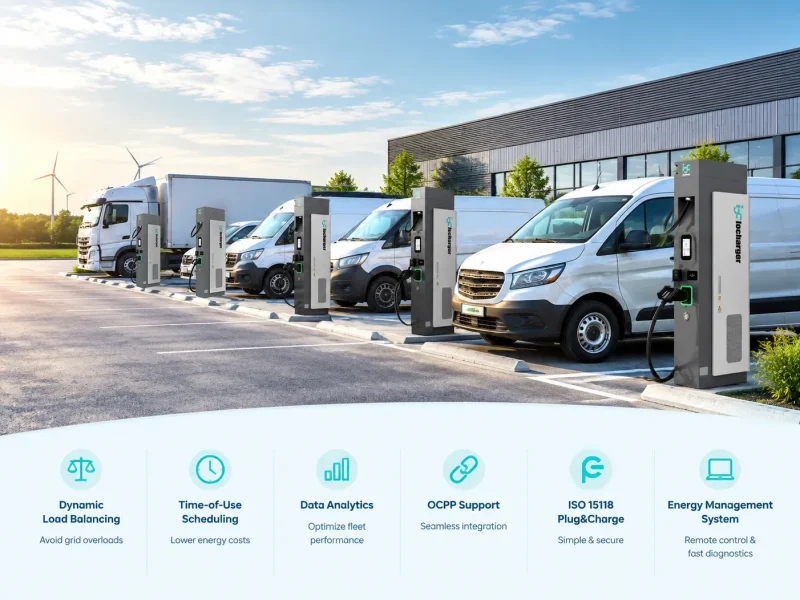
Europe leads the global transition to electric vehicles. Initiatives like the “Fit for 55” package push businesses to electrify their fleets faster than ever. However, replacing combustion engine vehicles with EVs creates a new logistical challenge: energy management. Connecting dozens of delivery vans or heavy trucks to the grid simultaneously puts immense pressure on local power infrastructure. Companies need a sustainable way to keep their vehicles moving. Smart charging provides this exact solution. It ensures fleets stay fully charged without overloading the facility’s electrical grid.
Understanding Smart Charging
What exactly makes an EV charging station “smart”? Standard chargers operate passively. They deliver power to a vehicle until the battery reaches full capacity. Smart chargers, on the other hand, communicate actively. They share continuous data between the electric vehicle, the charging hardware, and the local power grid. This exchange of information allows fleet operators to control energy usage in real time. Managers can adjust charging speeds, schedule specific sessions, and monitor power consumption remotely from a central software dashboard.
Why European Fleets Require Smart Charging
European power grids face strict capacity limits in many commercial and industrial zones. Upgrading a facility’s grid connection is notoriously expensive and time-consuming. Smart charging solves this infrastructure problem through Dynamiczne równoważenie obciążenia (DLB). DLB automatically distributes the available power evenly across all active chargers. If the main building uses more power during business hours, the chargers reduce their output. This process prevents system overloads and eliminates the need for costly electrical upgrades.
Cost reduction serves as another critical factor. Energy prices fluctuate widely across European markets throughout the day. Smart charging systems use Time-of-Use (TOU) tariffs to benefit your bottom line. They automatically schedule the bulk of charging sessions during off-peak hours when electricity rates are lowest. This automated adjustment reduces daily operational costs significantly.
Smart charging also provides precise data analytics. Fleet managers can track exactly how much energy each vehicle consumes. This high level of transparency remains vital for optimizing modern fleet operations.
The Role of Iocharger in Fleet Electrification
Building a future-proof charging hub requires reliable hardware and highly intelligent software. Iocharger designs comprehensive EV charging solutions tailored to the specific needs of European fleets. The company manufactures a diverse portfolio of commercial AC EV chargers, high-power DC fast chargers, and Megawatt Charging System equipped with advanced smart capabilities.
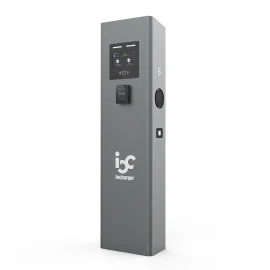
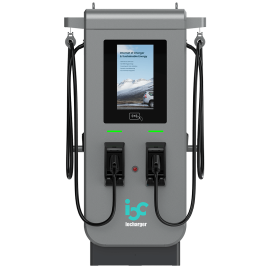
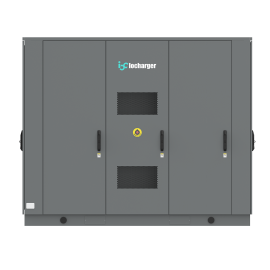
Interoperability is crucial for fleet success. All Iocharger products fully support the Open Charge Point Protocol (OCPP). This open communication standard ensures the chargers integrate seamlessly with existing third-party fleet management platforms. As a result, businesses retain flexibility and avoid vendor lock-in.
Additionally, Iocharger stations support the ISO 15118 Plug&Charge. Drivers simply plug the cable into their vehicles. The charger automatically authenticates the vehicle ID and initiates the charging session immediately. This feature removes the need for RFID cards or mobile apps, saving valuable time for fleet drivers.
Iocharger also supplies an integrated System zarządzania energią (EMS). This platform can manage multiple charging points. It enables managers to configure power limits, verify charger availability, and diagnose technical faults remotely. Prompt remote diagnostics minimize equipment downtime and keep commercial operations running strictly on schedule.
Wnioski
The electrification of commercial fleets across Europe continues to accelerate. Basic, unmanaged charging hardware no longer meets the complex demands of large-scale logistics. Smart charging clearly represents the standard for the future. It protects local power grids, lowers daily energy expenses, and simplifies administrative management. By utilizing objective, advanced charging solutions from iocharger, businesses can scale their EV fleets efficiently and securely. Investing in intelligent, OCPP-compliant infrastructure today ensures your operations remain competitive and fully prepared for tomorrow’s energy transition.