
В этой статье мы обсудим причины этого, сравнив зарядки для EV уровня 1 с зарядками уровня 2 и 3. станции зарядки электромобилей, и поможет вам сделать правильный выбор зарядного устройства.
Зарядка электромобилей 1-го уровня
На нетехническом жаргоне зарядка первого уровня означает подключение электромобиля к обычной бытовой розетке. Оборудование первого уровня заряжается от сети 110-120 вольт по выделенной 20-амперной цепи; оно очень медленное. Для зарядки 100-мильной батареи таким способом обычно требуется около 17-25 часов. Кроме того, в одной розетке можно заряжать только один электромобиль.
Зарядка электромобилей 2-го уровня
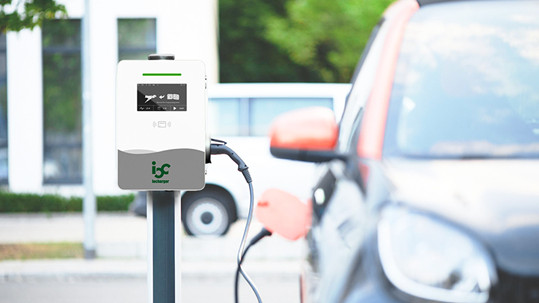
Зарядные станции для EV 2-го уровня, такие как Iochager, заряжаются от сети переменного тока 110-250 В. Для зарядки аккумулятора, рассчитанного на 100 миль, требуется всего 4-5 часов. Кроме того, станции зарядки EV 2-го уровня, такие как Iocharger, оснащены двумя розетками, что позволяет им заряжать два электромобиля одновременно. Это означает, что в среднем каждая коммерческая станция может легко зарядить до 10 автомобилей от нуля до полного заряда батареи.
На самом деле это число гораздо выше, потому что среднестатистический водитель EV никогда не позволяет аккумулятору разрядиться до нуля. Обычный период зарядки для большинства пользователей составляет около 2 часов - это типичное время, которое клиент может провести на предприятии. Именно это делает двойные зарядные станции Iocharger уровня 2 популярным выбором среди владельцев общественных парковок, жилых кондоминиумов, корпоративных комплексов, супермаркетов, ресторанов и муниципалитетов.
Домашнее зарядное устройство
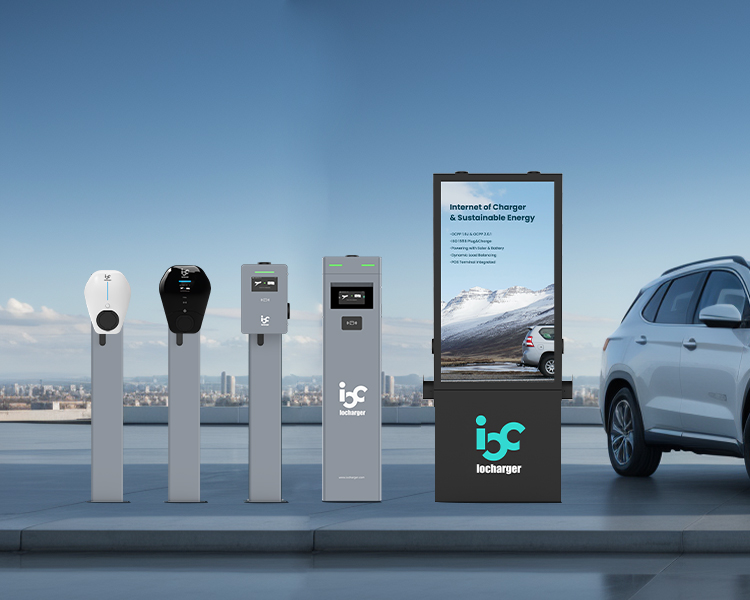
Мы рекомендуем IOCAH30 и IOCAH20 модели, которые обеспечивают мощность 7 кВт и 22 кВт соответственно — идеально подходят для зарядки в жилых помещениях.
Зарядное устройство для электромобилей коммерческого использования
Для коммерческих помещений доступны следующие варианты IOCAW12, IOCAP26, и IOCAP25. Эти модели предназначены для использования операторами зарядных станций (CPO) в таких местах, как автозаправочные станции, автопарки, рабочие места и общественные парковки.
Зарядка электромобилей 3-го уровня
Также известен как Ускоренные зарядные устройства постоянного тока, Устройства Level 3 EV заряжаются через 480-вольтовую вилку постоянного тока (DC). Как правило, они способны зарядить батарею стандартного размера до 80% за 30 минут. Однако стоимость покупки и эксплуатации этих зарядных устройств исчисляется тысячами долларов, что означает, что они не являются экономически эффективными для всех операторов.
Если представить себя в роли Златовласки, то зарядное устройство 1-го уровня будет слишком медленным и неэффективным для ваших нужд, а зарядные станции 3-го уровня будут слишком дорогими. Зарядка 2-го уровня - это ‘то, что надо’, в которой есть и эффективность зарядки, и экономичность в одном полном комплекте.
Если вы хотите узнать больше о станциях зарядки EV 2-го уровня, которые обладают множеством уникальных возможностей, например, возможностями цифрового маркетинга, свяжитесь с нами здесь.