Europe’s transition to electric mobility is accelerating rapidly. Many logistics companies, delivery services, and corporate businesses now operate electric vehicle (EV) fleets. However, managing the energy consumption for multiple vehicles presents a significant logistical challenge. Charging a large commercial fleet simultaneously demands massive electrical capacity. It can easily overload local grid infrastructure. Facility managers must find reliable ways to distribute power safely. This is where load management becomes essential. Implementing smart EV fleet charging solutions ensures smooth daily operations while keeping energy costs strictly under control.
Understanding Dynamic Load Balancing
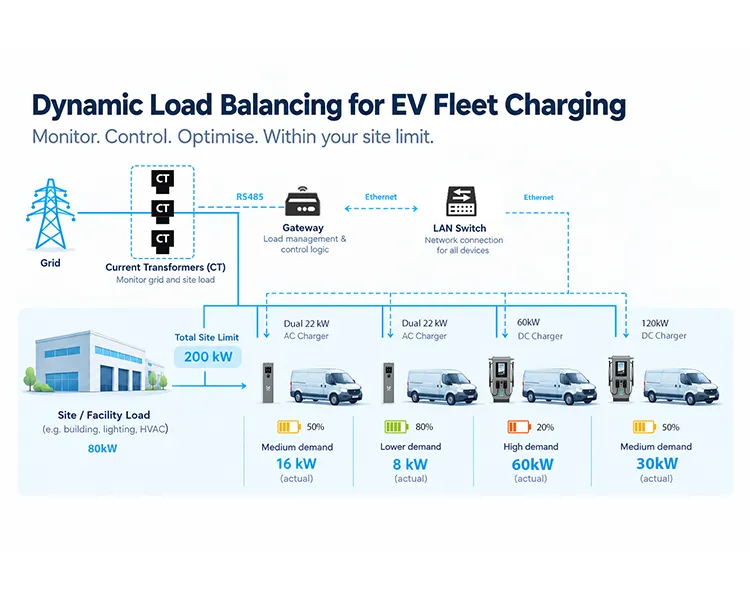
Dynamische belasting balanceren (DLB) is an intelligent power distribution system. It continuously monitors the available electrical capacity at a specific facility. The system then automatically distributes this available electricity among all active EV chargers.
For example, a depot may install ten 22 kW AC chargers. Their combined rated power is 220 kW. However, the site’s grid connection may not support this demand alongside other building loads.
A load balancing system manages the available capacity across active charging sessions. When fewer vehicles charge, each vehicle may receive more power. When demand increases, the system reduces or redistributes power to stay within the configured limit. This helps businesses use existing electrical infrastructure more effectively.
Static vs Dynamic Load Management
There are two main types of load balancing.
Static load balancing distributes power according to a fixed allocation or predetermined limit. It offers a straightforward way to control total charging demand. However, it may not fully use available capacity when building electricity consumption changes.
Dynamisch belastingsbeheer (DLM) responds to changing conditions. With suitable metering and control integration, the system monitors site consumption and adjusts charging power in response to available capacity. This real-time adjustment prevents total energy consumption from exceeding the maximum grid connection limit. Businesses can charge multiple vehicles at once without paying for expensive infrastructure upgrades.

Fleet operators can choose between static and dynamic load management, depending on site requirements.
For example, when warehouse equipment consumes less electricity overnight, dynamic management can allocate more capacity to EV charging. If building demand increases, the system can reduce charging power to help prevent the site from exceeding its electrical limit.
For depots with fluctuating energy demand, dynamic load management can provide greater flexibility. The right approach depends on the site’s electrical design, charger capabilities and management software.
Key Benefits of Load Balancing for Fleet Operators
1. Prevents Local Power Outages
A sudden surge in electricity demand can quickly trip circuit breakers. DLB protects the grid by keeping total usage within safe operational limits.
2. Make Better Use of Existing Grid Capacity
Expanding fleet charging infrastructure can require expensive electrical upgrades. Load balancing helps operators assess how many vehicles their existing connection can support under controlled charging conditions.
A well-designed system may allow additional charging points without immediately increasing the site’s maximum power demand. A professional capacity assessment remains essential before installation.
3. Manage Electricity Costs
Electricity costs can affect the operating expenses of an electric fleet. Smart EV charging can coordinate charging schedules with suitable off-peak tariffs, where available.
When combined with load balancing, scheduling helps operators distribute demand across available charging periods. Businesses should also review their electricity contracts and demand-related charges, as savings depend on local tariffs and operating patterns.
4. Maximizes Operational Efficiency
Not all fleet vehicles require a full charge at the same time. Advanced load management systems prioritize specific vehicles based on their departure schedules. Critical delivery vans receive full power first. Meanwhile, employee pool cars charge at a slower rate over the weekend.
How Iocharger Supports Intelligent Fleet Charging
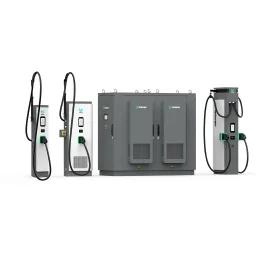
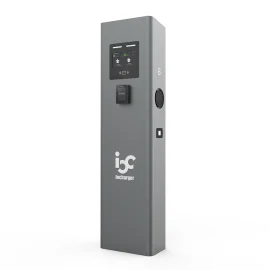
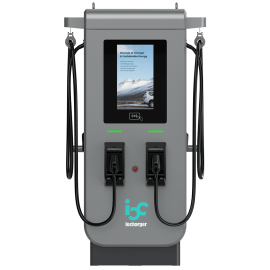
Choosing the right hardware and software is crucial for successful energy management. Iocharger provides EV charging equipment and charging management solutions for commercial applications. Its portfolio includes AC chargers, DC fast charging stations, and cloud-based charging management capabilities.
Iocharger’s fully OCPP-compliant EV chargers allow seamless integration with existing third-party EV charging management platforms. Fleet managers can easily view live data, track energy usage, and adjust charging profiles remotely.
The Iocharger Cloud Charging Management System (CSMS) helps operators monitor charging infrastructure and manage connected charging operations. Depending on system configuration and supported equipment, centralised management can support charging control, operational monitoring, and energy management workflows.